Peptide Therapy

You've heard the hype. You want the science.
Peptides are everywhere right now — and most of what's being sold online is unregulated, unmonitored, and untested. At Rise Health, peptides aren't a trend. They're a clinical tool, prescribed by providers who understand the protocols, paired with the diagnostics to know what your body actually needs, and sourced from pharmaceutical-grade compounding pharmacies. Real peptides, used the right way, produce real results.
What patients may notice
These aren't promises. They're the outcomes our members commonly report when peptide therapy is clinically indicated and supervised.

Tissue Repair and Recovery

Sleep That Actually Restores

Long-Term Wellness
What is Peptide Therapy?
Peptides are amino acid chains that help regulate sleep, recovery, tissue repair, immune function, and growth hormone signaling.
At Rise Health, protocols are built around your labs, symptoms, and health history. We prescribe peptides based on what your body actually needs, not standardized plans or trends.
Peptide therapy may be appropriate when your evaluation identifies a specific clinical need, such as an injury that hasn't fully healed, disrupted sleep, or issues with growth hormone signaling. Peptides work best alongside foundational care, including sleep, nutrition, activity, and treatment of any hormone deficiencies.

How your provider builds your protocol
Different peptides do different things. Your provider matches the right protocol to your clinical needs.
Recovery & Tissue Repair
Growth Hormone Support
Sleep & Cognitive Function
Longevity & Cellular Health
Delivery methods
that fit your life
Most peptides are delivered via subcutaneous injection — but not all. Your provider recommends the method that fits your protocol and your preferences.

Subcutaneous Injections

Oral Capsules

Topical Creams

Nasal Sprays
Why members choose
Rise Health
Pharmaceutical-Grade Sourcing
Unlimited Access — No Visit Fees
Providers Who Actually Know Peptides
Advanced Diagnostics Included
Stacked With the Right Foundation
HSA / FSA Eligible
Real people.
Real progress.
Trusted by people who want more from their care.



Frequently asked
questions
Answers to the questions members ask us most before starting peptide therapy.
It depends on the peptide. Sleep and cognitive peptides often produce noticeable changes within 1–2 weeks. Recovery and tissue repair peptides typically show results in 4–8 weeks. Longevity and cellular health peptides work over longer timeframes — measurable in your labs and in how you feel over time.
Pharmaceutical-grade peptides, prescribed and monitored by experienced providers, have a strong safety profile. The risk in the broader peptide market comes from unregulated sourcing, incorrect dosing, and self-administration without medical oversight. We control all three. We also run comprehensive labs before, during, and after protocols.
Hormones replace what your body isn't producing in adequate amounts. Peptides signal your body to do specific things — repair tissue, produce growth hormone, deepen sleep. Some patients receive both when clinically indicated. Hormones build the foundation. Peptides fine-tune specific systems on top of it.
Most peptide protocols use subcutaneous injection because that's what works best biologically. The needles are small, the process is simpler than most members expect, and your provider walks you through it. Some peptides are available in oral, topical, or nasal forms — we'll match the delivery method to your protocol and your preferences
Any peptide your provider prescribes is handled separately and dispensed through the clinic as part of your care, so you only pay for the protocols you're actually on. We'll walk through the specifics at your free consultation.
Still have questions?
We’re here to help you!

Explore other services

Care that starts with answers
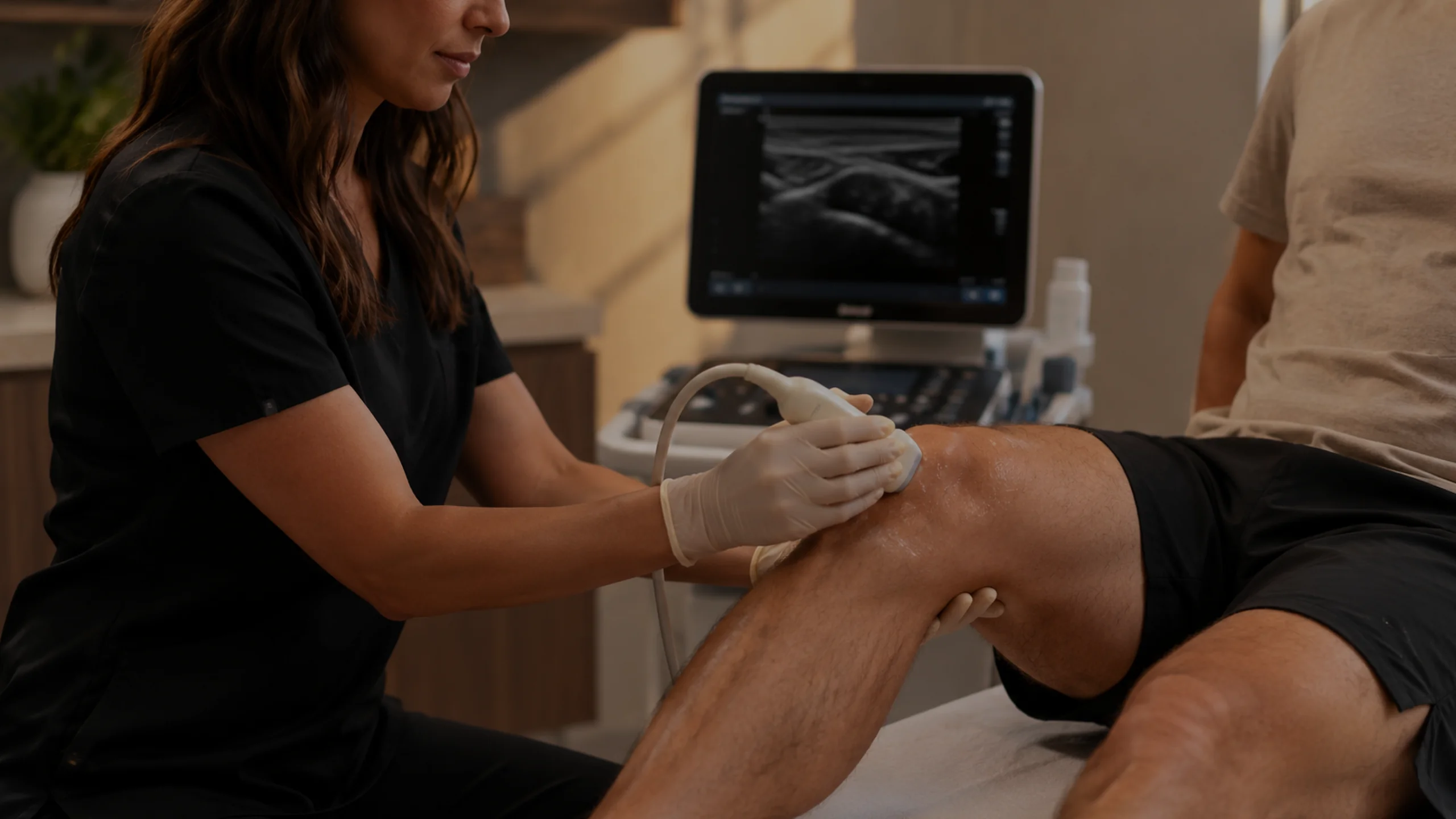
Comprehensive labs, a personalized protocol, and a care team that knows how to use peptides clinically — not casually. Your treatment begins with a single conversation.