PRP & Regenerative Orthopedics
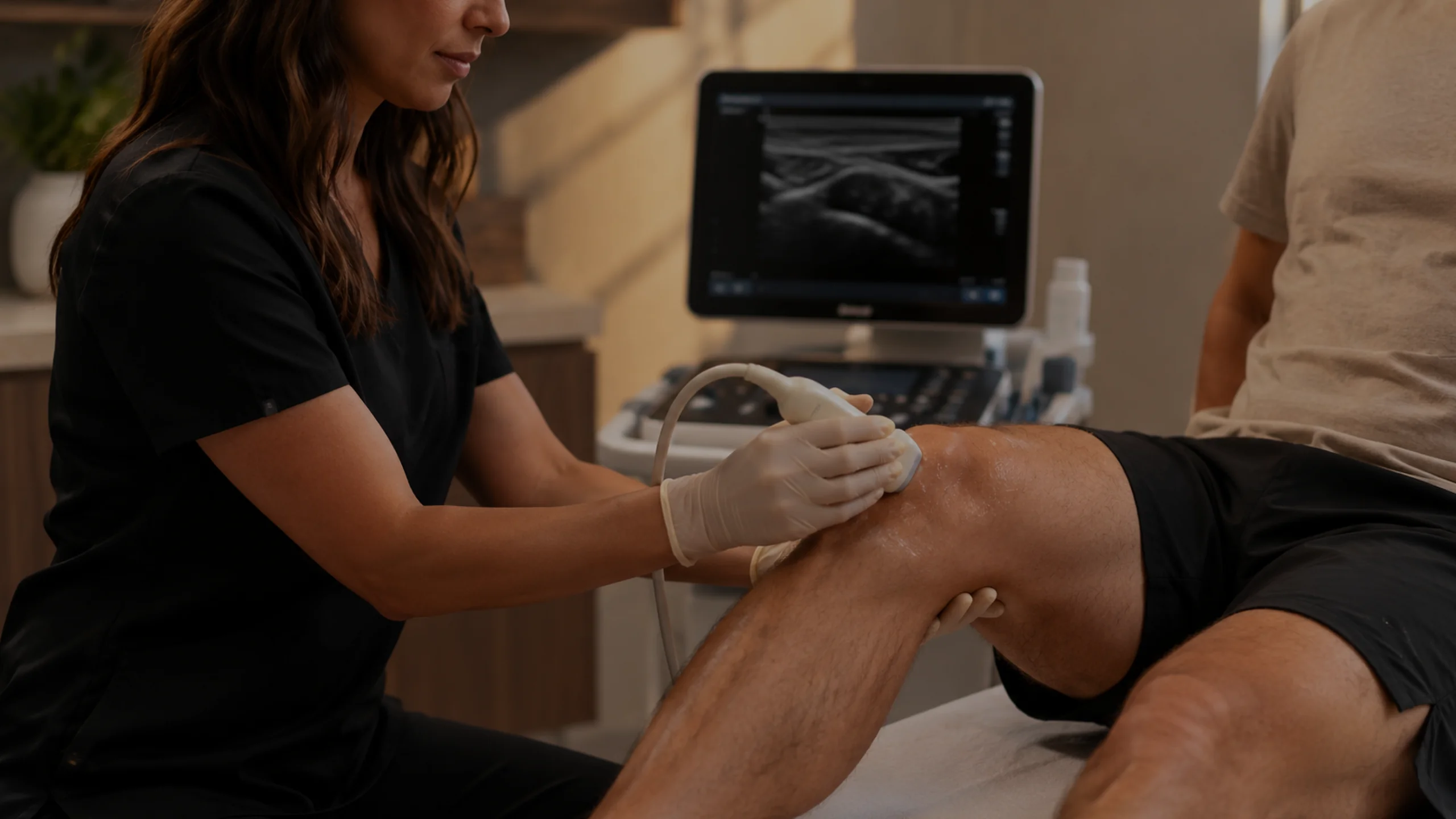
Surgery isn't your only option . Cortisone isn't your only answer.
You’ve been told to stretch it, ice it, rest it, and come back if it gets worse. Maybe you were offered a cortisone shot to mask the problem or told surgery is the next step. At Rise Health, we offer a non surgical, regenerative approach that works with your body’s healing systems. Performed by board certified orthopedic surgeons. Ultrasound guided for precision. Built on the science of how tissue actually repairs.
How regenerative orthopedics changes the trajectory of injury
These aren't promises — they're outcomes our patients commonly report when PRP is performed under the right conditions, by the right hands.

Pain Relief

Restored Function and Mobility

Healing That Holds
What is Platelet-Rich Plasma Therapy?
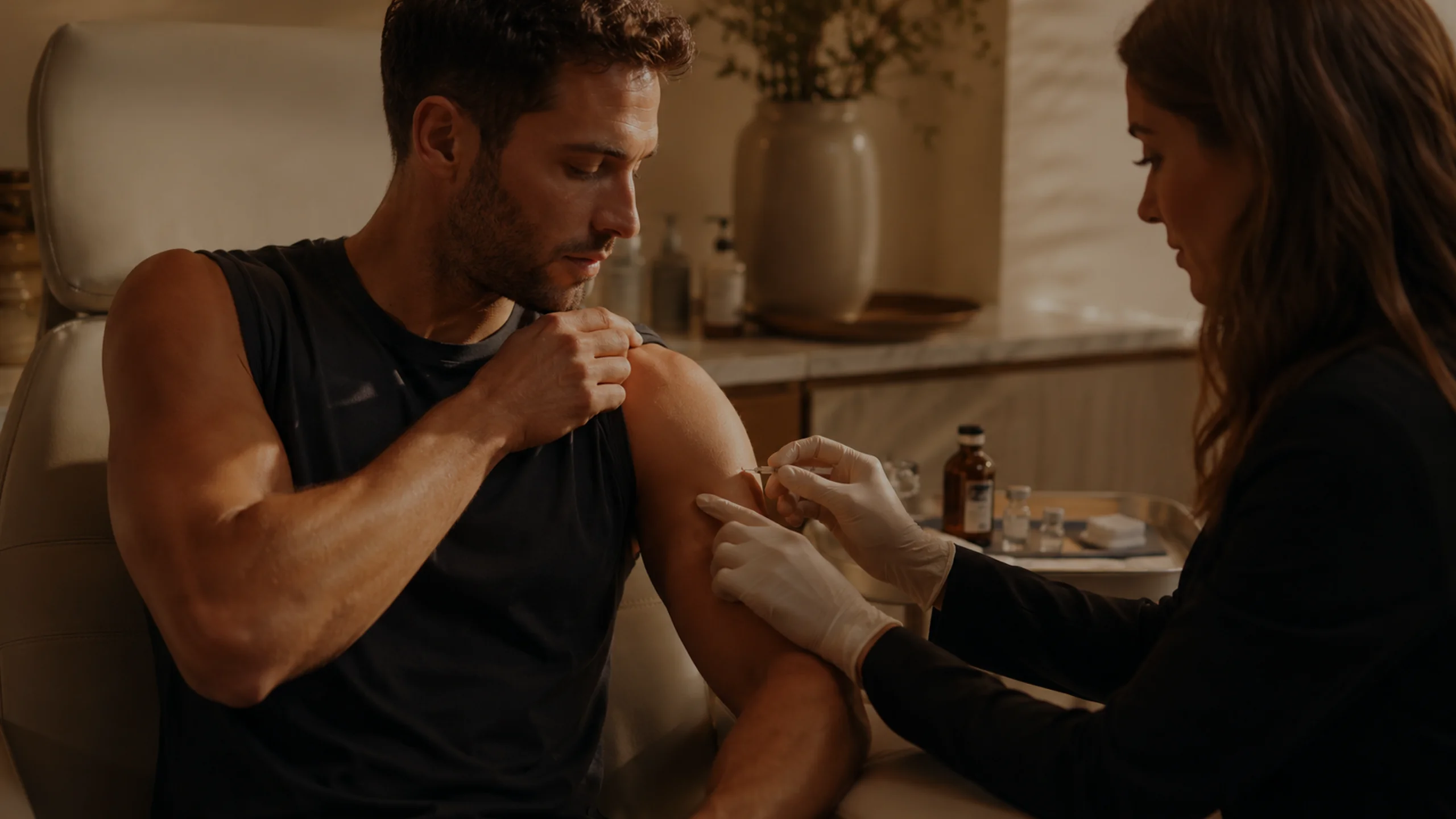
Platelet rich plasma uses a concentrated portion of your own blood to deliver healing factors directly to injured tissue. PRP supports the body’s natural repair process where it’s needed most.
At Rise Health, PRP isn't performed by a tech in a strip mall clinic. Our injections are administered by board-certified medical doctors with the diagnostic and procedural training to know exactly what's wrong and exactly where the treatment needs to go. Every injection is ultrasound-guided to ensure the PRP reaches the precise tissue that needs it — not just the general area.
This is appropriate for joint pain, tendon injuries, ligament issues, and chronic musculoskeletal conditions that haven’t responded to conventional treatment. If you’ve been told surgery is your next option, there may be a different conversation worth having.
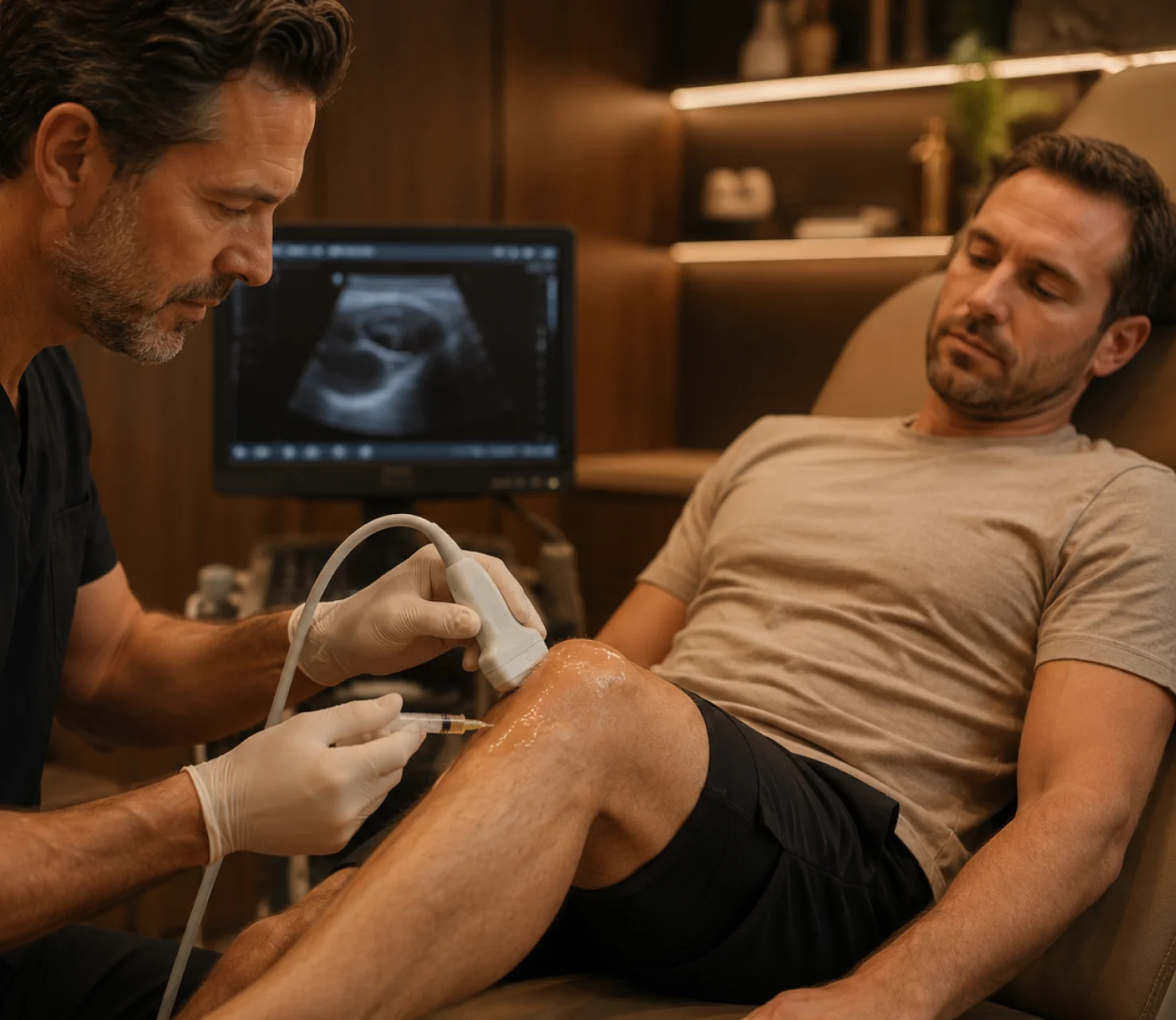
Conditions PRP can address
Regenerative therapy works across a range of musculoskeletal issues. Your provider determines fit based on diagnostic imaging and clinical evaluation.
Joint Pain & Osteoarthritis
Tendon Injuries & Tendinopathy
Ligament Sprains & Partial Tears
Chronic Pain & Old Injuries
Why, how, and where matter
PRP is only as effective as the diagnosis behind it and the precision of the injection. Here's how we deliver both.
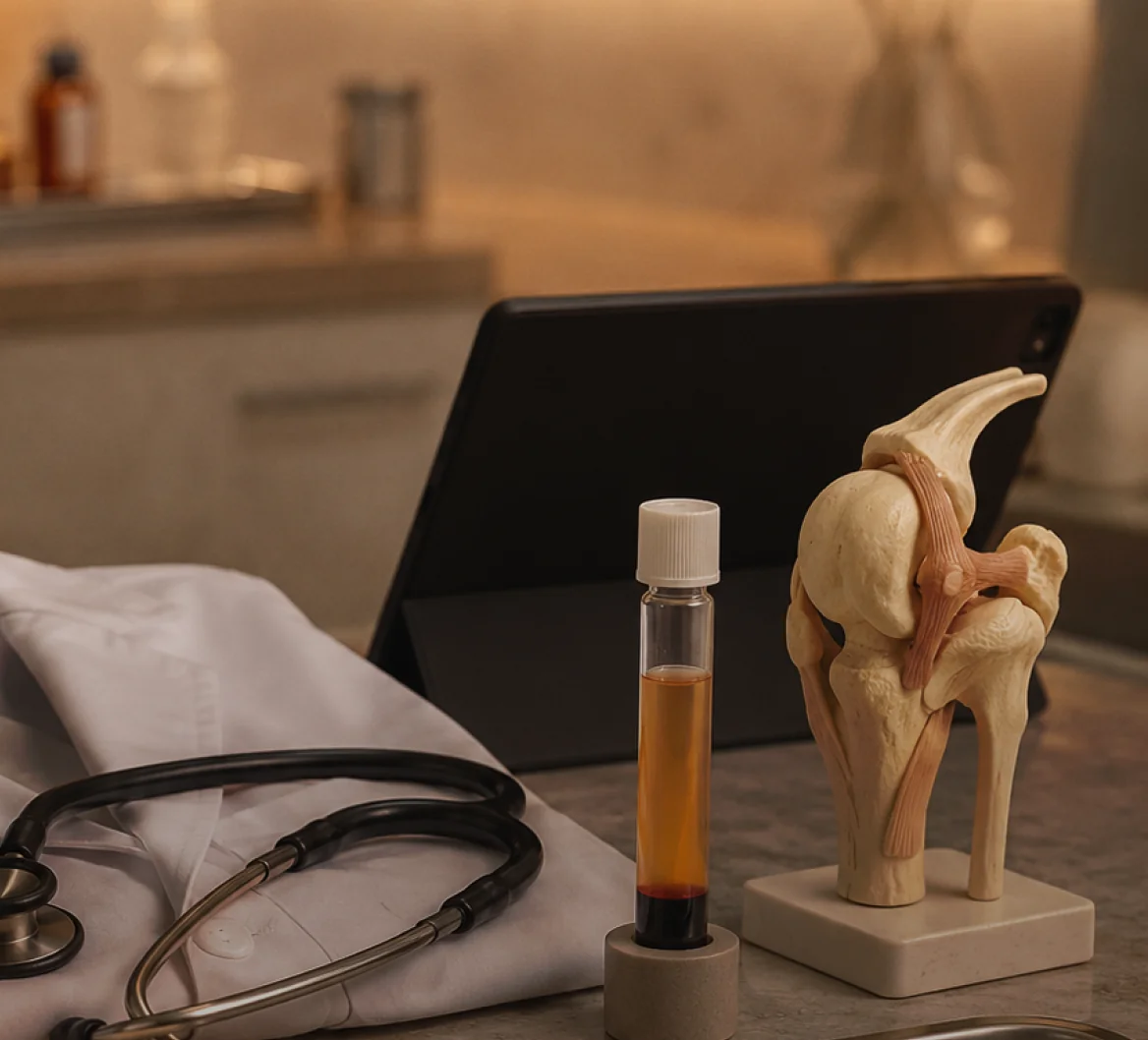
Board-Certified Medical Doctors
Rapid-Dissolve Tablets
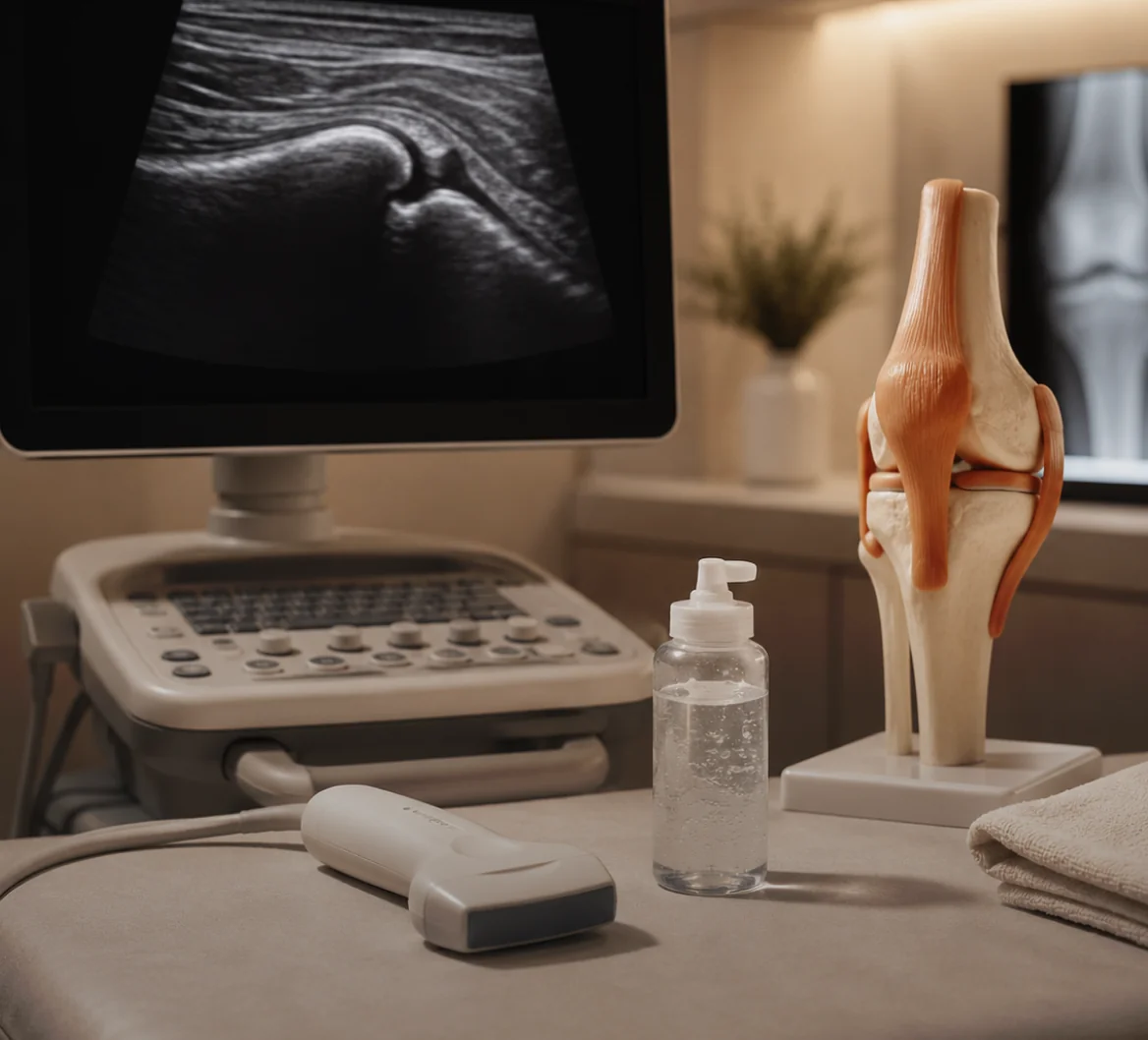
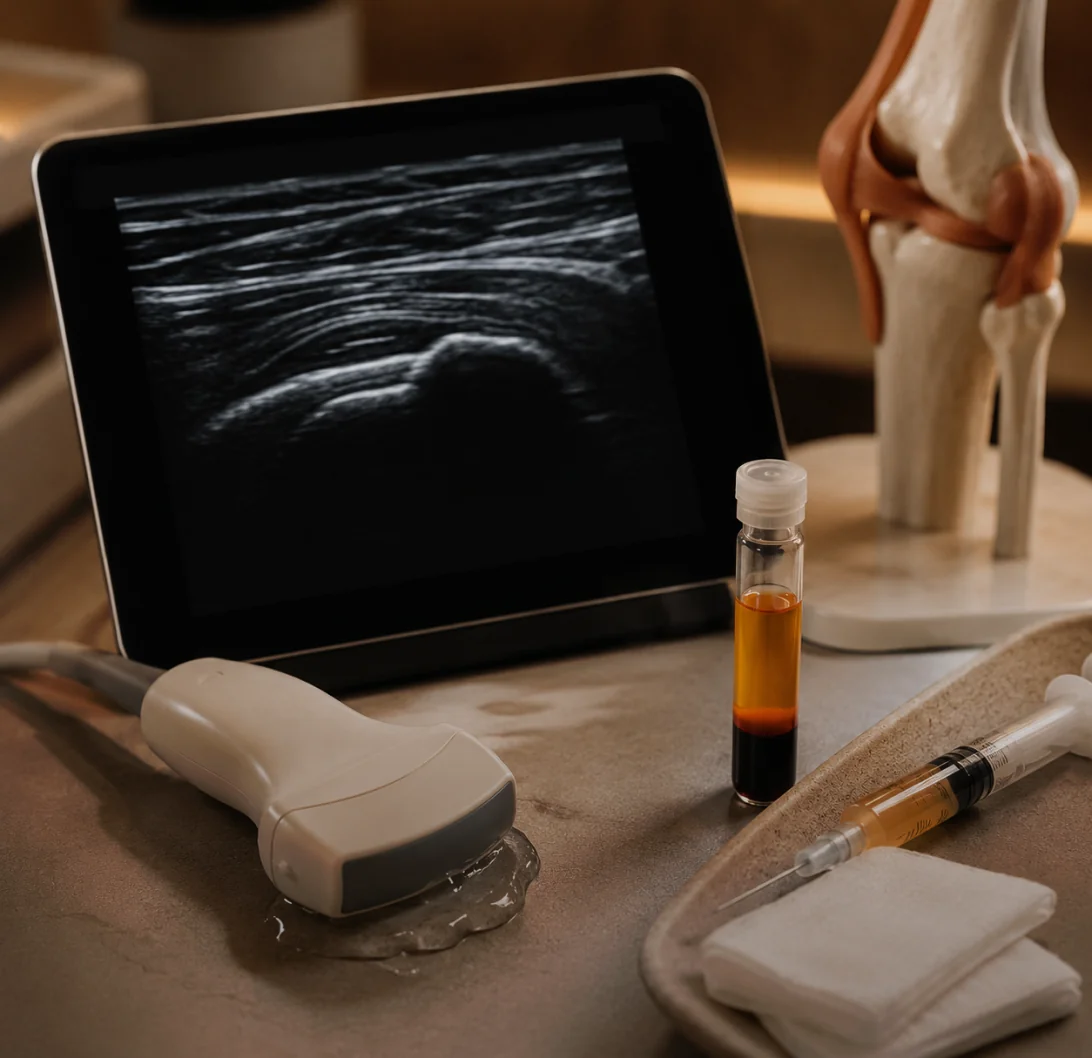
Musculoskeletal Ultrasound
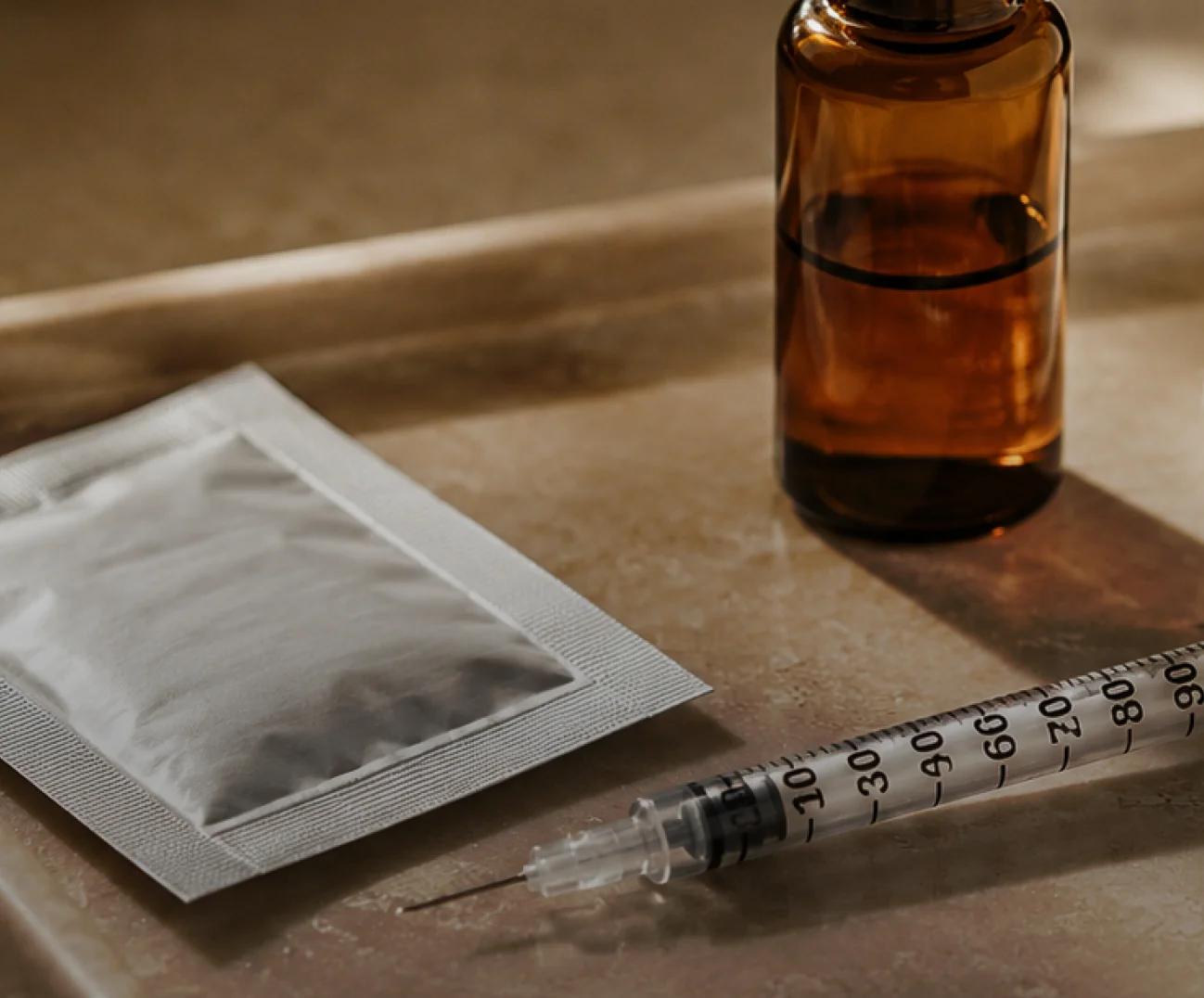
Injections
Why patients choose
Rise Health
Doctors, Not Technicians
Unlimited Access — No Visit Fees
Diagnostic Imaging Included
Ultrasound-Guided, Every Time
Integrated With the Whole System
HSA / FSA Eligible
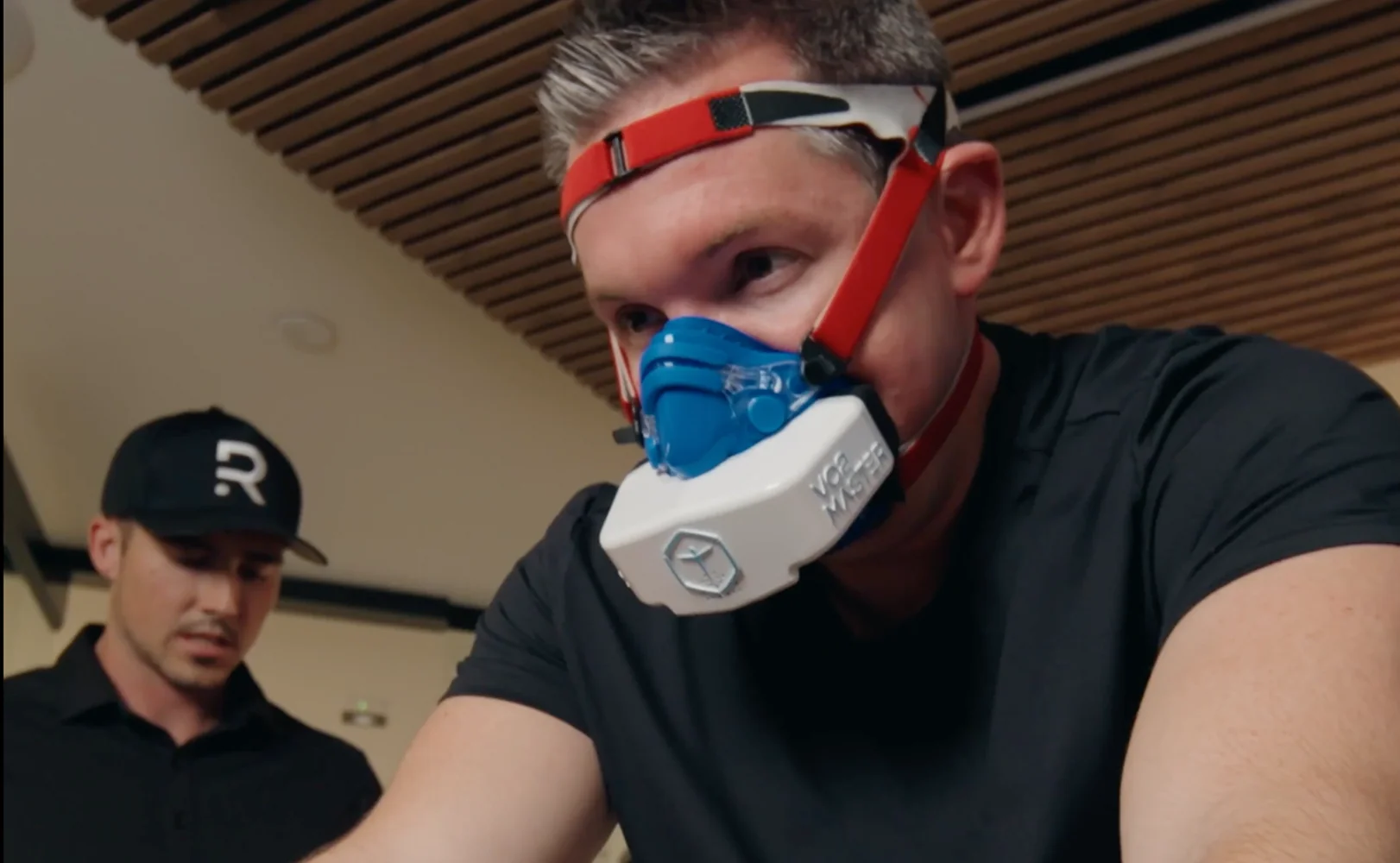
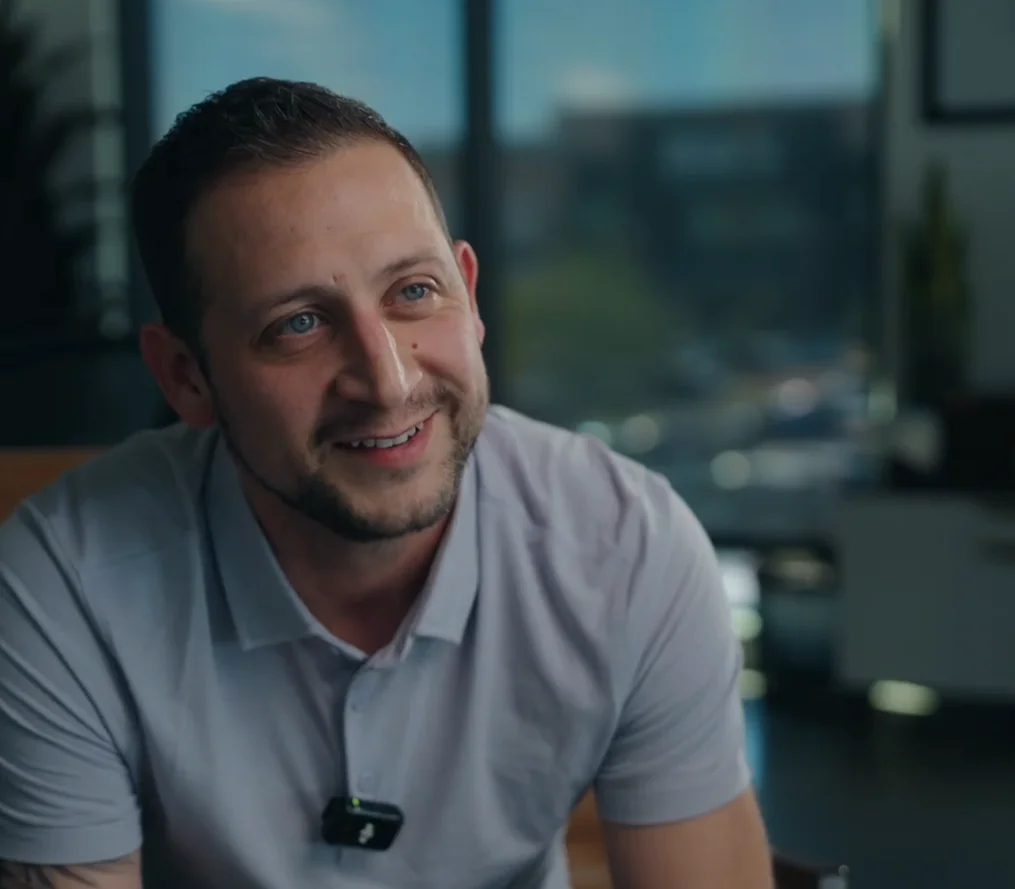
Real people.
Real progress.
Trusted by people who want more from their care.


Frequently asked
questions
Answers to the questions patients ask us most before considering PRP therapy.
PRP works through your body's natural repair cascade, so results build over weeks and months rather than appearing overnight. Most patients report meaningful improvement at the 4–6 week mark, with continued progress over 3–6 months. This isn't a cortisone shot — it's healing, and healing takes time.
Most conditions respond well to a series of 1–3 injections, spaced several weeks apart. Your provider determines the protocol based on your specific issue, the diagnostic findings, and how you respond to the first treatment. Some patients need a single session. Others benefit from a structured series.
The injection itself is brief and well-tolerated by most patients, often with topical or local numbing. There's typically some soreness in the days following — a sign the inflammatory healing cascade is working. Most patients return to normal activity within a few days, with specific guidance from your provider on training and activity timing.
Cortisone is an anti-inflammatory that masks pain by blocking the body's inflammatory response — temporarily. Repeated cortisone injections can actually weaken tendons and cartilage over time. PRP works in the opposite direction — it activates the healing response your body needs to actually repair the tissue. Different mechanism, different outcome.
PRP procedures are billed independently, so you only pay for the treatments your provider actually recommends. We'll walk through specifics on your free consultation.
Still have questions?
We’re here to help you!

Explore other services

A different path forward.
Comprehensive evaluation, ultrasound-guided precision, and doctors who've dedicated their careers to precision medicine. Your healing begins with a single conversation.